Korean Bibimbap
Highlighted under: Fusion Meals
Korean Bibimbap is a vibrant and flavorful dish that combines rice, assorted vegetables, and a fried egg, topped with spicy gochujang sauce.
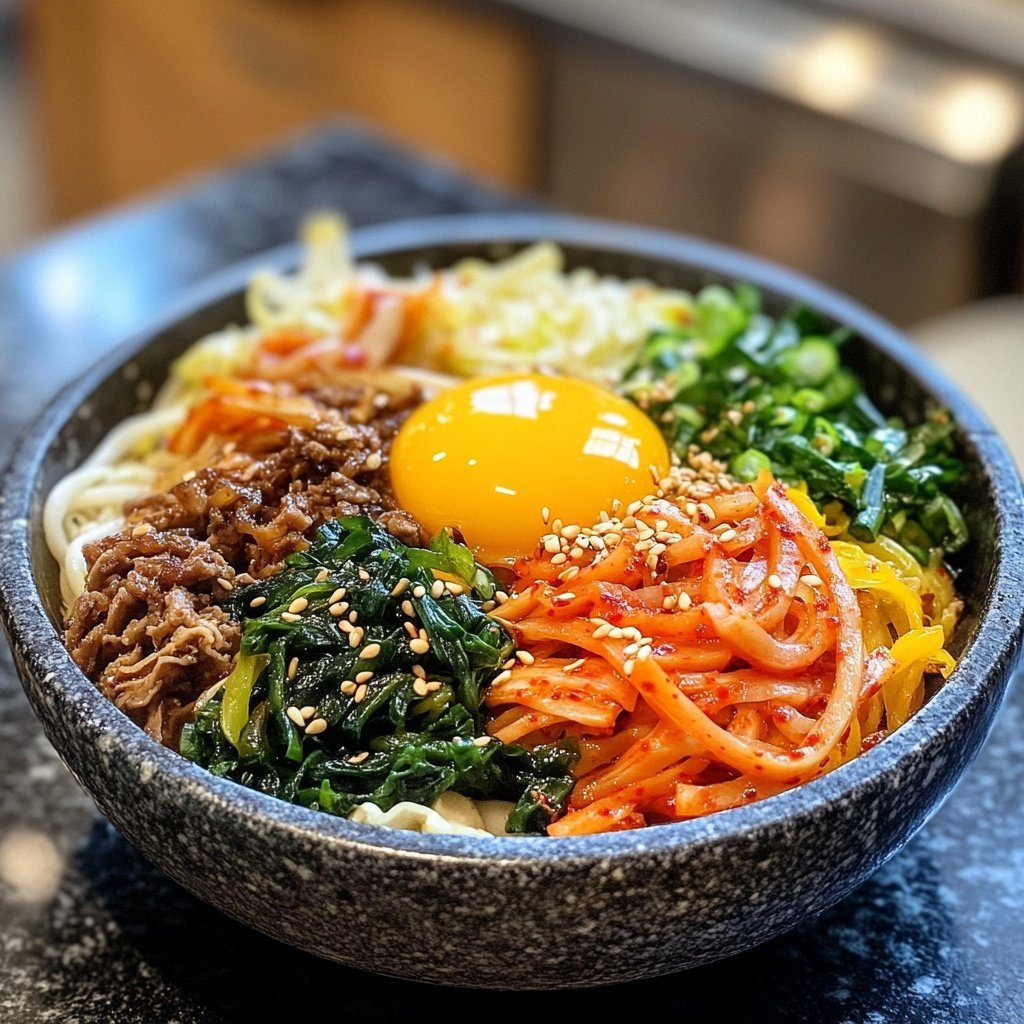
Korean Bibimbap is more than just a meal; it's a culinary experience. Each bite brings together a beautiful medley of flavors and textures, making it a favorite among Korean cuisine lovers.
Why You'll Love This Recipe
- A colorful array of fresh vegetables for a nutritious meal
- Customizable with your choice of proteins and toppings
- The perfect blend of spicy, savory, and umami flavors
The Origins of Bibimbap
Bibimbap, which means 'mixed rice' in Korean, has a rich history that dates back to the Joseon Dynasty. Originally a farmer's meal, it was a way to utilize leftover ingredients. Over the years, it has evolved into a beloved national dish, celebrated for its vibrant colors and harmonious flavors. The combination of vegetables, rice, and protein reflects the balance of health and taste that is central to Korean cuisine.
Traditionally, bibimbap is served in a hot stone bowl, which gives the rice a delightful crispy texture. The dish is not only visually appealing but also a reflection of the Korean philosophy of food, which emphasizes the importance of balance and variety in meals. Each ingredient brings its own unique flavor and texture, creating a satisfying culinary experience.
Nutritional Benefits
Korean Bibimbap is not just delicious; it's also packed with nutrients. The dish features a colorful array of vegetables, each contributing essential vitamins and minerals. Spinach provides iron and calcium, while carrots and zucchini are rich in antioxidants. This combination makes bibimbap a fantastic option for those looking to boost their nutrient intake while enjoying a fulfilling meal.
Additionally, the use of gochujang not only adds a spicy kick but also contains beneficial ingredients like fermented soybeans, which can aid in digestion. The dish is easily customizable, allowing you to add proteins such as chicken, beef, or tofu, making it a versatile meal suitable for various dietary preferences.
Customizing Your Bibimbap
One of the best aspects of bibimbap is its versatility. You can easily tailor the ingredients to suit your taste or dietary needs. For a vegetarian version, consider adding tofu or chickpeas for protein. If you prefer a heartier dish, shredded beef or marinated bulgogi can elevate the flavors. Feel free to experiment with seasonal vegetables or your favorite toppings.
Moreover, the choice of sauces can also be adjusted. While gochujang is traditional, you can mix it with soy sauce or sesame oil to create a milder flavor profile. Don't hesitate to add a splash of vinegar or a sprinkle of nuts for an extra layer of taste. The possibilities are endless, making bibimbap a dish you'll want to enjoy time and again.
Ingredients
Gather the following ingredients to create your delicious Korean Bibimbap:
Ingredients
- 2 cups cooked rice
- 1 cup spinach, blanched
- 1 cup carrots, julienned
- 1 cup zucchini, julienned
- 1 cup bean sprouts, blanched
- 2 eggs
- 2 tablespoons gochujang (Korean chili paste)
- 1 tablespoon sesame oil
- 1 tablespoon soy sauce
- 1 tablespoon sesame seeds
- Salt to taste
Ensure all ingredients are prepped before you start cooking for a smooth cooking experience.
Instructions
Follow these steps to prepare your Korean Bibimbap:
Prepare the Vegetables
In a skillet, sauté the carrots and zucchini separately in a little oil until tender. Season with a pinch of salt. Set aside.
Cook the Eggs
In the same skillet, fry the eggs sunny-side up until the whites are set but the yolks remain runny.
Assemble the Bibimbap
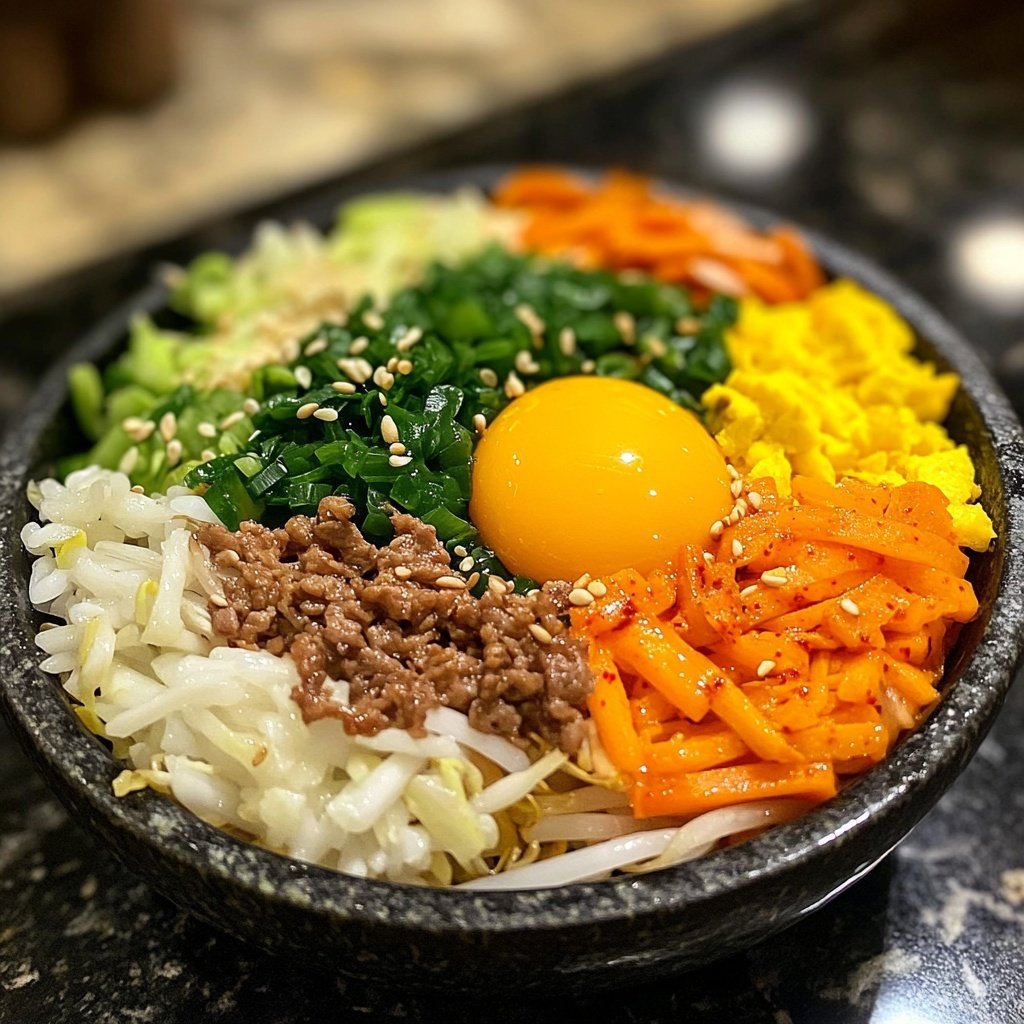
In a bowl, place the cooked rice at the bottom. Arrange the sautéed vegetables, spinach, and bean sprouts on top of the rice. Place the fried egg in the center.
Add the Sauce
Drizzle sesame oil and soy sauce over the top. Add gochujang to taste and sprinkle with sesame seeds.
Mix and Enjoy
Before eating, mix everything together thoroughly to combine the flavors. Enjoy your delicious Korean Bibimbap!
Serve immediately and enjoy your delicious creation!
Pro Tips
- Feel free to add your favorite protein, such as beef, chicken, or tofu, to customize your Bibimbap.
Tips for Perfect Bibimbap
To achieve the best texture for your bibimbap, use short-grain rice, which is stickier and holds together well. Cooking the rice in a rice cooker ensures even cooking and perfect consistency. Allow the rice to sit for a few minutes after cooking to let it steam and become fluffy.
When sautéing the vegetables, cook them separately to maintain their individual flavors and textures. This also allows you to adjust cooking times based on the vegetable. For instance, carrots may take longer to soften than spinach, so sauté them first.
Serving Suggestions
Bibimbap is best enjoyed fresh, but leftovers can be stored in the refrigerator for a day or two. When reheating, add a splash of water to prevent the rice from drying out. If you're feeling adventurous, you can also turn leftovers into a delicious fried rice by stir-frying them with an egg and additional vegetables.
Serve your bibimbap with a side of kimchi or pickled vegetables for a complete Korean meal. This adds an extra layer of flavor and enhances the overall dining experience. Pairing it with a refreshing cucumber salad can also balance the dish's rich and spicy elements.
Storage and Meal Prep
If you're meal prepping, consider making the components of your bibimbap in advance. Cook the rice and prepare the vegetables separately, storing them in airtight containers in the fridge. This way, you can quickly assemble your bibimbap throughout the week without compromising on freshness.
For the gochujang sauce, mix a larger batch and store it in a jar for easy access. Just remember to give it a good stir before using, as the ingredients may settle. With these tips, enjoying homemade bibimbap can be a quick and satisfying option for busy days.
Questions About Recipes
→ Can I make Bibimbap vegetarian?
Absolutely! Simply omit the egg or use a plant-based alternative.
→ What can I substitute for gochujang?
You can use a mix of chili paste and a bit of sugar as an alternative.
→ Can I prepare the ingredients in advance?
Yes, you can prep the vegetables a day ahead and store them in the fridge.
→ Is Bibimbap gluten-free?
To make it gluten-free, ensure you use a gluten-free soy sauce.
Korean Bibimbap
Created by: Honor Blackwell
Recipe Type: Fusion Meals
Skill Level: Intermediate
Final Quantity: 2 servings
What You'll Need
Ingredients
- 2 cups cooked rice
- 1 cup spinach, blanched
- 1 cup carrots, julienned
- 1 cup zucchini, julienned
- 1 cup bean sprouts, blanched
- 2 eggs
- 2 tablespoons gochujang (Korean chili paste)
- 1 tablespoon sesame oil
- 1 tablespoon soy sauce
- 1 tablespoon sesame seeds
- Salt to taste
How-To Steps
In a skillet, sauté the carrots and zucchini separately in a little oil until tender. Season with a pinch of salt. Set aside.
In the same skillet, fry the eggs sunny-side up until the whites are set but the yolks remain runny.
In a bowl, place the cooked rice at the bottom. Arrange the sautéed vegetables, spinach, and bean sprouts on top of the rice. Place the fried egg in the center.
Drizzle sesame oil and soy sauce over the top. Add gochujang to taste and sprinkle with sesame seeds.
Before eating, mix everything together thoroughly to combine the flavors. Enjoy your delicious Korean Bibimbap!
Extra Tips
- Feel free to add your favorite protein, such as beef, chicken, or tofu, to customize your Bibimbap.
Nutritional Breakdown (Per Serving)
- Calories: 500 kcal
- Total Fat: 20g
- Saturated Fat: 4g
- Cholesterol: 186mg
- Sodium: 600mg
- Total Carbohydrates: 70g
- Dietary Fiber: 5g
- Sugars: 5g
- Protein: 14g